December 12, 2025
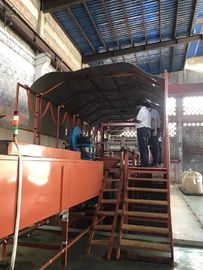
In 2025, manufacturers in the steel industry are accelerating their transition to automated Hot Dip Galvanizing Lines. But what is driving this modernization trend?
One major reason is the rising global demand for galvanized steel in solar energy, automotive manufacturing, infrastructure development, and heavy industry. Automated lines allow companies to scale up production while maintaining high coating quality.
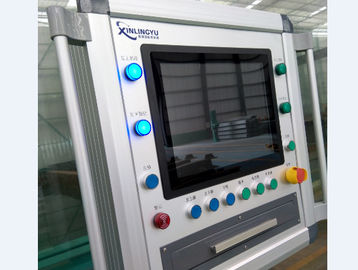
Automation improves nearly every part of the galvanizing process. PLC control systems regulate furnace temperature, zinc-bath conditions, and coating thickness. AI-powered sensors detect defects in real time, reducing waste and reprocessing costs. Automated feeding systems ensure stable operation and continuous production.
Economic benefits are also driving upgrades. Automated Hot Dip Galvanizing Lines require less labor, reduce energy consumption, and increase production output. Over time, these factors significantly lower operational costs.
Environmental regulations are another factor. Newer lines offer low-emission burners, zinc-fume extraction systems, and heat-recycling technologies. These improvements help manufacturers comply with environmental policies and improve workplace safety.
The industry reports that companies switching from traditional manual galvanizing systems to automated lines see a 25–40% improvement in efficiency and more consistent product quality. As markets become more competitive, automation has become essential for companies seeking long-term growth.